Best Trash Potential Garbage Collection Weather Impacts
For the most up-to-date information and service notifications for garbage collection impacts from severe weather, please visit www.best-trash.com.

For the most up-to-date information and service notifications for garbage collection impacts from severe weather, please visit www.best-trash.com.
Precinct 3 Residents,
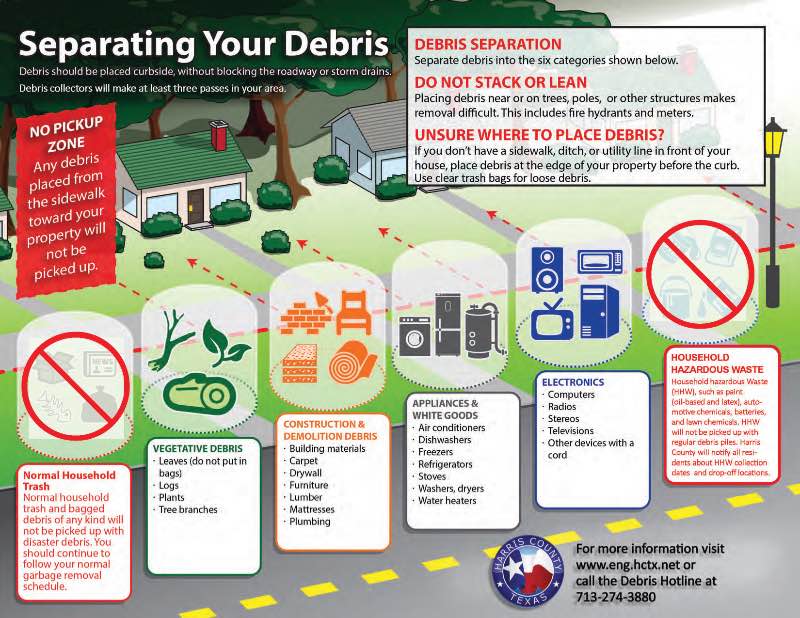
Precinct 3 Road and Bridge crews and contracted trucks will be starting debris pick-up on Monday, May 20th. Our area stretches from The Villages up to Cypress, through Tomball, Spring, Humble, Atascocita, then down the San Jacinto River through Huffman, Crosby, Highlands, and Baytown to Channelview. We were especially hard hit in Cypress and The Villages areas.
We expect debris operations to last for weeks to months, so please be patient as we move through the affected areas. Each debris zone where debris has been reported will have assets assigned. Presence will be heavier in the most impacted areas.
The most impactful things you can do to help are as follows:
Please know that we understand how traumatic and disruptive an event like this can be. Many of our crews who will be working in your areas are also Precinct 3 residents with property damage and power outages… this makes us especially proud to be serving you. Thank you for your partnership in the recovery efforts.
Sincerely,
Tom Ramsey Commissioner Precinct 3

Why Pipe Freezing is a Problem – Water expands as it freezes and pipes that freeze most frequently are those that are exposed to severe cold, like outdoor hose bibs, swimming pool supply lines, water sprinkler lines, and water supply pipes in unheated interior areas like attics, garages or kitchen cabinets. Pipes that run against exterior walls that have little or no insulation are also subject to freezing.
If you suspect that the plumbing may be frozen at the point where the pipe goes under the house or in the attic, it is safest to call a plumber as it may be cracked and burst when thawed.
In the event of an emergency, please contact our operator, Municipal District Services, at 281-290-6500. Water running in the street or buckled pavement are signs of a water main break and should be reported immediately.
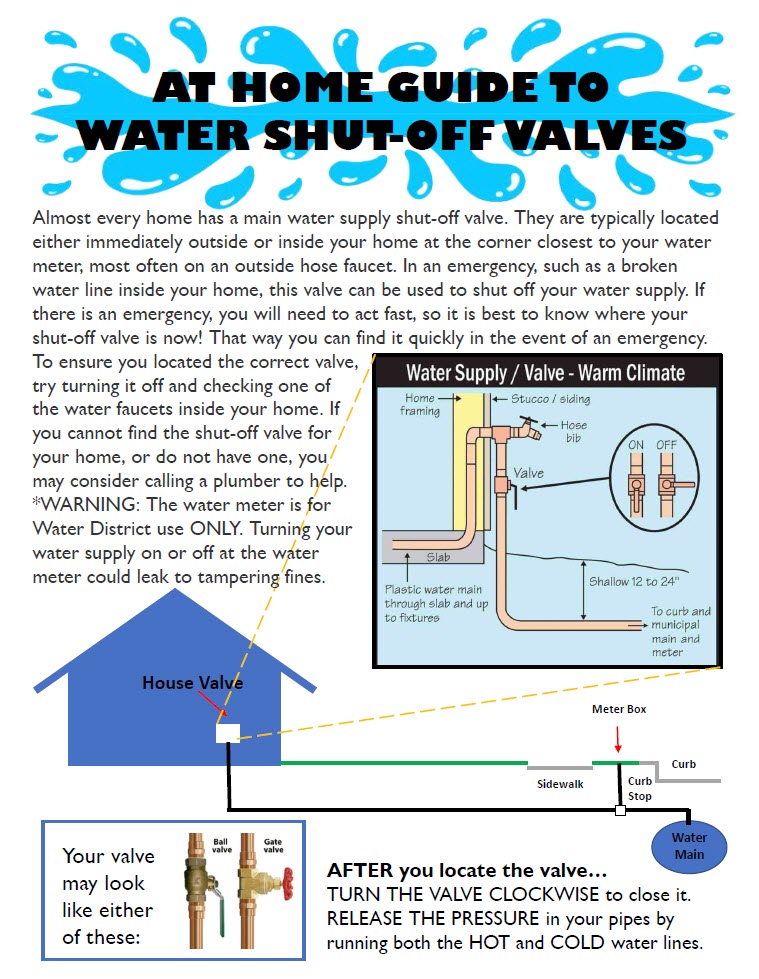
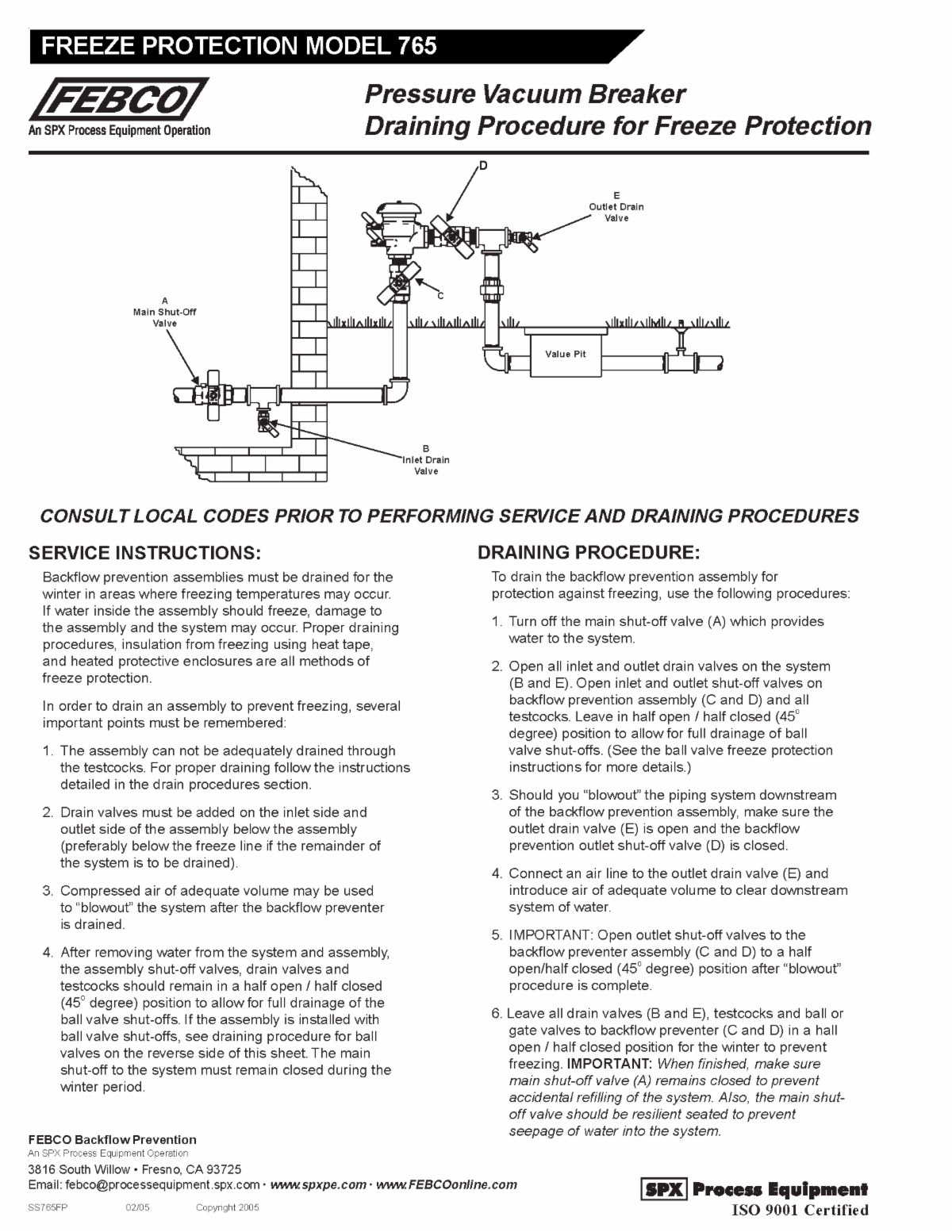
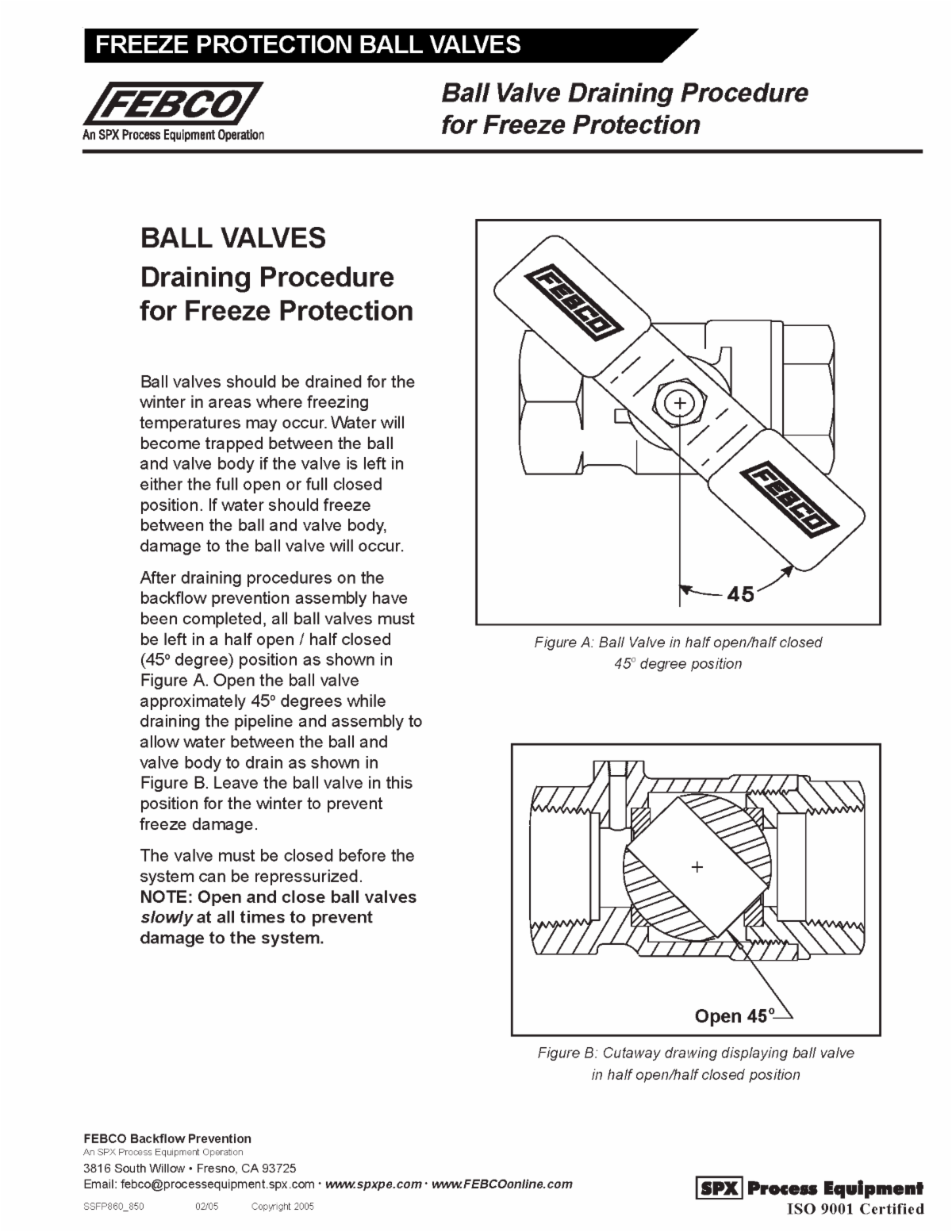
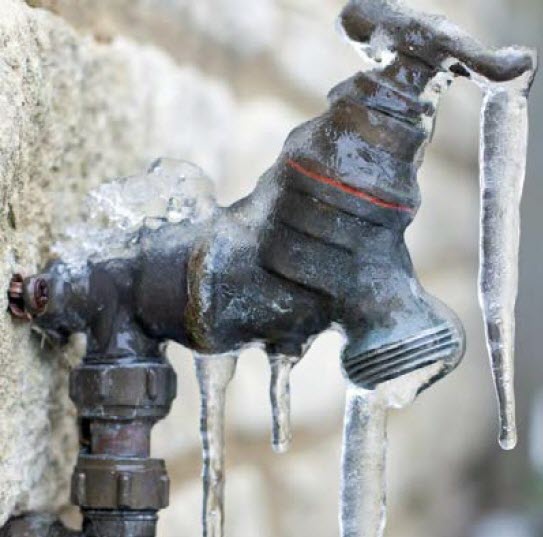
Freezing conditions are expected this Thursday evening with low temperatures near below freezing. Be sure to protect your pipes!
Why Pipe Freezing is a Problem – Water expands as it freezes and pipes that freeze most frequently are those that are exposed to severe cold, like outdoor hose bibs, swimming pool supply lines, water sprinkler lines, and water supply pipes in unheated interior areas like attics, garages or kitchen cabinets. Pipes that run against exterior walls that have little or no insulation are also subject to freezing.
If you suspect that the plumbing may be frozen at the point where the pipe goes under the house or in the attic, it is safest to call a plumber as it may be cracked and burst when thawed.
In the event of an emergency, please contact our operator, Municipal District Services, at 281-290-6500. Water running in the street or buckled pavement are signs of a water main break and should be reported immediately.